
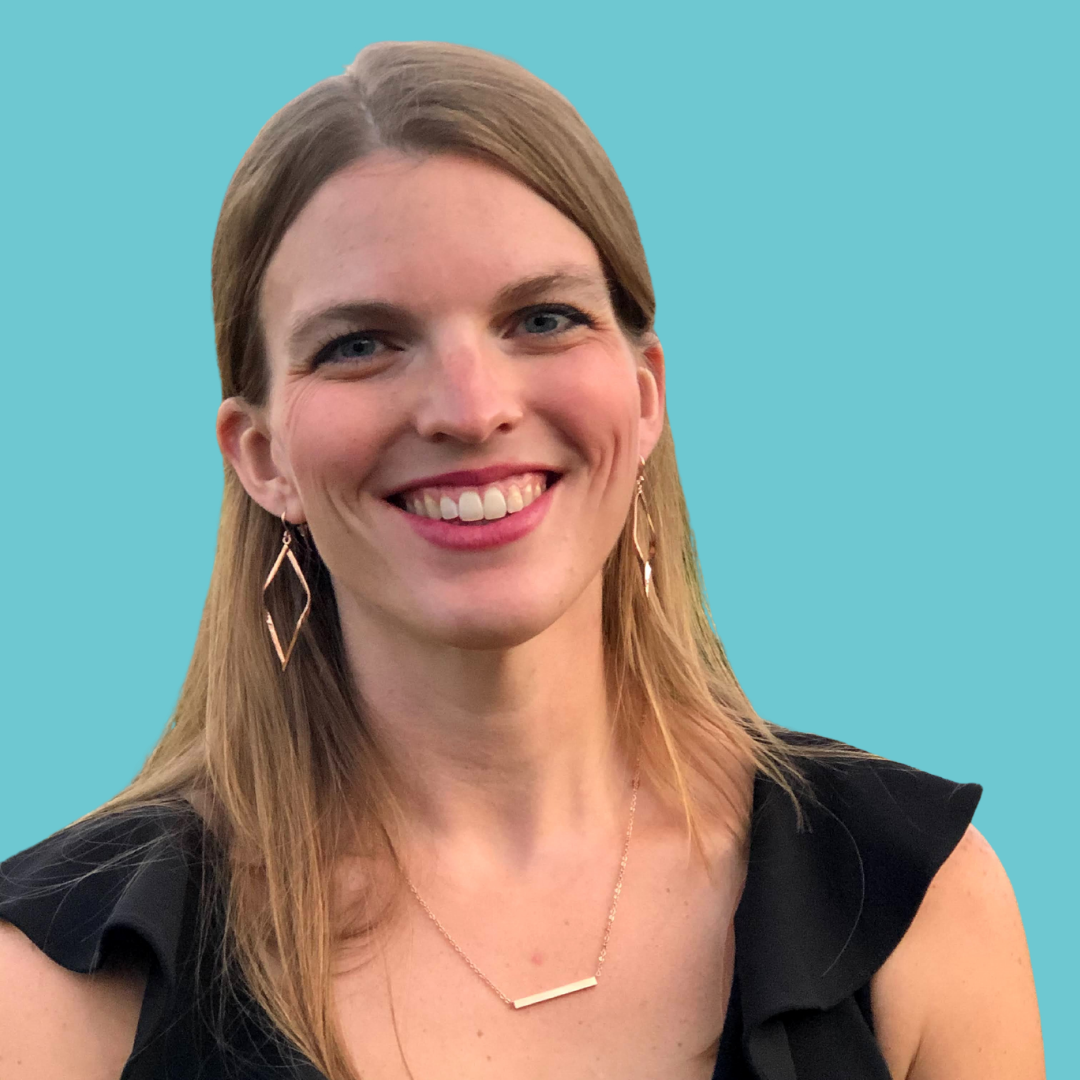
Hi, I’m Laura.
I believe evaluation should help you learn, not just prove you’re learning.
For years, I watched thoughtful, committed people treat evaluation as something to get through. Data was collected but rarely used. Reports were written but seldom revisited. Teams spent enormous energy demonstrating impact without strengthening their ability to learn from the work itself.
It made me wonder: What if evaluation wasn’t simply about accountability? What if it became one of the primary ways organizations built their capacity to navigate complexity?
That question continues to shape my work today.
Building Adaptive Learning Capacity
Evaluation isn’t the goal. Building adaptive learning capacity is.
Organizations today are working in environments where change is constant, relationships matter, and the most important questions rarely have straightforward answers. In that kind of work, success depends less on having perfect information and more on the ability to notice what is changing, make meaning together, and respond with intention.
That’s the work I help organizations do.
Our work follows a simple practice:
-
Begin with purpose, context, relationships, and the questions that matter most.
-
Attend
Notice emerging patterns, shifting relationships, tensions, and opportunities before they become obvious.
-
Make Sense
Transform information into shared understanding through reflection, dialogue, and sensemaking.
-
Adapt + Embed
Translate learning into action while strengthening routines and relationships that allow learning to continue long after the project ends.
Every engagement is different. The capacities we build are the same.
How I Partner
I work alongside foundations, nonprofits, networks, and collaborative initiatives engaged in complex work.
Rather than delivering an evaluation and moving on, I build long-term partnerships that create space for reflection, challenge assumptions, surface patterns, and strengthen how organizations learn together.
My practice is grounded in social work, systems thinking, and participatory evaluation. Just as importantly, it’s grounded in curiosity, humility, and the belief that the people closest to the work hold essential knowledge about how change happens.
What We Believe
Learning isn’t a deliverable.
It’s a practice.
Evaluation shouldn’t extract knowledge from organizations. It should strengthen their ability to generate and use knowledge themselves.
Equity isn’t something we measure once. It’s something we practice through who asks the questions, whose experiences shape interpretation, and what participates in meaning making.
The most valuable insights often emerge in moments of uncertainty, when we’re willing to sit with complexity long enough for new understanding to take shape.
Ultimately, my goal is simple:
To leave organizations better able to learn, adapt, and navigate complexity than when we began working together.
My Background
My work brings together more than 15 years of experience in evaluation, social work, facilitation, and organizational learning.
I’ve partnered with foundations, collaboratives, intermediary organizations, and community-based nonprofits to design evaluation and learning processes that support strategy, adaptation, and systems change.
I hold a Master of Social Work from the University of Michigan, but the most meaningful learning has come from working alongside organizations as they navigate uncertainty, wrestle with difficult questions, and discover new ways of understanding their impact.
Because in the end, evaluation isn’t about having all the answers. It’s about building the capacity to keep asking better questions.